
Divorce Lawyer in Delhi
If you are looking for a reliable Divorce Lawyer in Delhi, it is important to choose a legal expert who understands family law and can guide you through every step of the process. An experienced divorce lawyer can help you handle matters such as mutual divorce, contested divorce, child custody, alimony, and property disputes. With the right legal support, you can protect your rights and achieve a fair settlement. Our professional Divorce Lawyer in Delhi provides trusted legal advice and strong representation to help clients resolve their family disputes efficiently and with confidence.
Divorce Lawyer in Delhi: Expert Legal Representation for Your Family Matters
Going through a divorce is one of the most challenging experiences in life. The emotional stress combined with complex legal procedures can feel overwhelming. During such difficult times, having an experienced divorce lawyer by your side makes all the difference.
In Delhi, divorce cases are handled across various family courts. Each case carries unique challenges. Whether you’re seeking a mutual consent divorce or facing a contested separation, professional legal guidance protects your rights and interests.
This comprehensive guide helps you understand divorce law in India. You’ll learn about different types of divorce proceedings. We’ll explain the legal process, discuss child custody matters, and outline what to expect when working with a divorce advocate in Delhi.

Facing Divorce? Get Expert Legal Guidance Today
Our experienced divorce lawyers in Delhi provide compassionate support and strong legal representation. Free consultation available.
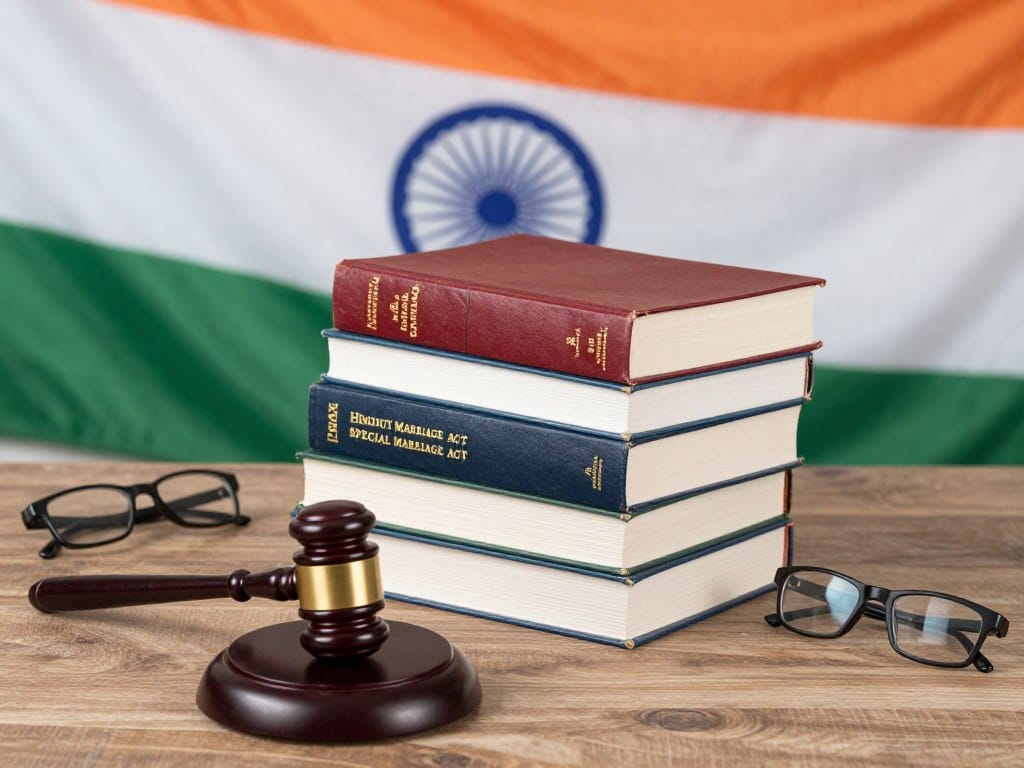
Understanding Divorce Law in India
Divorce law in India operates under different personal laws. The applicable law depends on your religion and marriage type. Understanding these distinctions is crucial for your case.
Hindu marriages fall under the Hindu Marriage Act of 1955. Muslim marriages are governed by Muslim Personal Law. Christian marriages follow the Indian Divorce Act of 1869. Marriages registered under the Special Marriage Act have their own provisions.
Each law specifies different grounds for divorce. The procedures vary slightly across these acts. However, the fundamental right to seek divorce exists across all communities. A skilled Family Lawyer in Delhi guides you through the specific laws applicable to your marriage.
Mutual Consent Divorce
Mutual consent divorce is the fastest route to legal separation. Both parties agree to end the marriage amicably. This option requires cooperation and compromise from both sides.
The process begins with filing a joint petition. Both spouses must appear before the court together. A cooling-off period of six months is mandatory. This allows time for reconciliation attempts.
After the cooling-off period, both parties confirm their decision. The court grants the divorce decree if satisfied. The entire process typically completes within 6-18 months.
This is significantly faster than contested divorces.
- Both parties must consent voluntarily
- Minimum one year of marriage required before filing
- Settlement terms must be agreed upon beforehand
- Court can waive the cooling-off period in exceptional cases
- Lower legal costs compared to contested divorce
A Mutual Divorce Lawyer in Delhi helps draft the settlement agreement. They ensure all terms are legally sound. This includes arrangements for child custody, alimony, and property division.

Contested Divorce
Contested divorce occurs when one party refuses to agree to separation. These cases involve allegations and evidence presentation. The process is longer and more complex than mutual consent divorces.
One spouse files a petition citing specific grounds. The other party receives a summons to respond. They can contest the allegations or file counter-claims. The court examines evidence from both sides.
Witnesses may testify about the marriage circumstances. Documentary evidence supports claims of cruelty, adultery, or desertion. The process involves multiple hearings and court dates. An experienced Contested Divorce Lawyer in Delhi presents your case effectively.
These cases typically take 2-5 years to conclude. The timeline depends on case complexity and court backlog. Some cases extend even longer if appeals are filed. Patience and strong legal representation are essential.
Frequently Asked Questions About Divorce in Delhi

A mutual consent divorce in Delhi typically takes 6 to 18 months. The law requires a mandatory cooling-off period of six months between the first and second motion. However, courts can waive this period in exceptional circumstances. After the second motion, the court issues the divorce decree within a few weeks. The actual timeline depends on court schedules and case backlog.
Indian law recognizes several grounds for divorce including adultery, cruelty (physical or mental), desertion for at least two years, conversion to another religion, mental disorder, communicable venereal disease, renunciation of the world, and presumption of death if missing for seven years. Additional grounds for wives include husband's conviction for serious crimes, remarriage before current marriage, rape or unnatural offense. The specific grounds vary slightly across different personal laws.
Yes, both parents can seek child custody after divorce. Delhi family courts decide custody based on the child's best interests and welfare. Children under seven years typically stay with the mother unless exceptional circumstances exist. Older children's preferences are considered. Courts evaluate factors like parental capability, emotional bonding, stability, and the child's educational needs. Joint custody arrangements are also possible where both parents share responsibilities.
Alimony calculation considers multiple factors including the paying spouse's income and assets, the receiving spouse's financial needs and earning capacity, marriage duration, standard of living during marriage, age and health of both parties, and contributions to the marriage. There's no fixed formula, but courts typically award 20-25% of the husband's net income as maintenance. The amount varies based on individual case circumstances and can be a lump sum or monthly payments.
Divorce lawyer fees in Delhi vary based on case complexity and lawyer experience. Mutual consent divorces typically cost Rs. 25,000 to Rs. 75,000. Contested divorces range from Rs. 50,000 to Rs. 3,00,000 or more. Additional costs include court fees, documentation charges, and expert witness fees. Many lawyers offer free initial consultations and payment plans. It's advisable to discuss fee structures upfront and get written estimates.
Yes, you can file for contested divorce even if your spouse doesn't agree. You must establish valid grounds under the applicable marriage act such as cruelty, adultery, or desertion. The court will examine evidence supporting your claims. Your spouse can contest the petition and present counter-arguments. The process takes longer than mutual consent divorce, typically 2-5 years, but you can obtain divorce without spouse's agreement if grounds are proven.
Essential documents for divorce filing include marriage certificate or proof of marriage, address proof of both parties, passport-size photographs, evidence supporting divorce grounds, income proof and financial documents, details and birth certificates of children, property and asset documentation, and any previous correspondence relevant to the case. Your lawyer will help compile a complete document list based on your specific situation and case type.
The Protection of Women from Domestic Violence Act provides immediate legal protection. You can file a complaint at the nearest police station and apply for protection orders preventing the abuser from contacting you. Residence orders allow you to stay in the matrimonial home. Monetary relief covers medical expenses and losses. Emergency protection is available through the court. Domestic violence can also be grounds for divorce. Document all incidents with medical records, photographs, and witness statements.
Yes, maintenance orders can be modified when circumstances change substantially. Job loss, serious illness, remarriage, or significant income changes justify modification applications. The party seeking change must file an application with evidence of changed circumstances. The court reviews the request and modifies terms if justified. Either party can request modification - the payer can seek reduction while the receiver can request increase based on increased needs or payer's improved financial situation.
File your divorce petition in the family court having jurisdiction over your case. Jurisdiction is determined by where the marriage was solemnized, where parties last resided together, or where the respondent currently resides. South Delhi cases go to Saket Court, North Delhi to Rohini Court, East Delhi to Karkardooma Court, and West Delhi to Dwarka Court. Your lawyer helps determine the correct jurisdiction and files in the appropriate court.