


Mutual Divorce Lawyer in Delhi
Home
Mutual Divorce Lawyer in Delhi
Mutual Divorce Lawyer in Delhi: Your Trusted Partner for Peaceful Separation
Ending a marriage is never easy. But when both partners agree to part ways amicably, mutual divorce offers a dignified and efficient path forward. Finding the right mutual divorce lawyer in Delhi can make this challenging journey significantly smoother. With proper legal guidance, couples can complete their divorce quickly and peacefully.
Delhi’s family courts handle thousands of divorce cases every year. Among these, mutual consent divorces have become increasingly common. This trend reflects a growing understanding that separation doesn’t need to be a battlefield. The right legal expert helps you navigate the process with minimal stress and maximum clarity.
This comprehensive guide explores everything you need to know about mutual divorce in Delhi. We’ll cover the legal requirements, the step-by-step process, required documents, timelines, and costs. Whether you’re in South Delhi, Dwarka, Rohini, or any other area, understanding your options empowers you to make informed decisions during this sensitive time.

Get Free Legal Consultation Today
Speak with experienced mutual divorce lawyers who understand your situation. Get clear answers to all your questions without any obligation.
What is Mutual Consent Divorce in India
Aenean consectetur massa quis sem volutpat, a condimentum tortor pretium. Cras id ligula consequat, sagittis nulla at, sollicitudin lorem. Orci varius natoque penatibus et magnis dis partures ient montes.Great websites add great values to your business. From wire-framing to consectetu designing, we do it all.

Mutual consent divorce is a legal process where both spouses agree to end their marriage peacefully. Under the Hindu Marriage Act and other personal laws, this option allows couples to separate without blaming each other. Both parties must jointly file a petition stating they can no longer live together.
This type of divorce differs significantly from contested divorce. In mutual divorce, there’s no need to prove fault or wrongdoing. Both partners simply acknowledge that the marriage has broken down irretrievably. This approach saves time, money, and emotional energy for everyone involved.
Legal Framework for Mutual Divorce
The legal basis for mutual consent divorce in India comes from various personal laws. For Hindus, Buddhists, Jains, and Sikhs, Section 13B of the Hindu Marriage Act provides this provision. Muslims can obtain mutual divorce through Khula or Mubarat. Christians can seek divorce under Section 10A of the Divorce Act.
Regardless of religion, the fundamental principle remains the same. Both spouses must agree to the divorce and its terms. They need to live separately for at least one year before filing. This cooling-off period ensures the decision is well-considered and not impulsive.
Who Can Apply for Mutual Divorce
- Married couples who have been living separately for at least one year
- Both spouses who mutually agree to end the marriage
- Couples who have settled issues like custody, alimony, and property division
- Individuals whose marriage is registered in India or who reside in India
- Partners who can appear before the court jointly to file the petition

Benefits of Mutual Divorce Over Contested Divorce
Choosing mutual divorce offers numerous advantages compared to contested divorce proceedings. Understanding these benefits helps couples make informed decisions about their separation process. A mutual consent divorce lawyer Delhi can guide you through these advantages effectively.

Faster Resolution

Cost-Effective Solution

Reduced Emotional Stress

Privacy Protection
Legal Requirements for Mutual Divorce in Delhi
Before filing for mutual divorce in Delhi, certain legal conditions must be met. These requirements ensure both parties genuinely want to separate. Understanding these criteria helps you prepare properly for the process ahead.
Mandatory Conditions Under Hindu Marriage Act
Section 13B of the Hindu Marriage Act specifies clear requirements for mutual consent divorce. Both spouses must have lived separately for at least one year. This separation can be in the same house but without cohabitation. The marriage must have broken down irretrievably with no possibility of reconciliation.
Additionally, both parties must jointly file the divorce petition. Neither spouse can be forced or coerced into agreeing. The consent must be free, voluntary, and given with full understanding. These safeguards protect against abuse of the mutual divorce provision.
Settlement Agreement Requirements
Child Custody Arrangements
Couples with children must agree on custody terms. This includes deciding where children will live primarily. Both parents should have clear visitation rights defined.
- Primary custody assignment to one parent
- Visitation schedule for other parent
- Holiday and vacation arrangements
- Decision-making authority for education and health
Financial Settlements
All financial matters need complete resolution before filing. This includes alimony, child support, and property division. Clear terms prevent future disputes.
- Monthly alimony or lump-sum payment
- Child support amount and duration
- Division of marital property and assets
- Settlement of joint debts and liabilities
Property Division Terms
The settlement must address all property rights. This covers real estate, vehicles, investments, and valuables. Both parties should agree on fair distribution.
- Real estate property division
- Bank accounts and investments split
- Jewelry and valuable possessions
- Business interests and shareholdings
Maintenance Obligations
If applicable, maintenance terms must be clearly stated. This includes amount, payment method, and duration. The agreement should cover contingencies too.
- Monthly maintenance amount fixed
- Payment schedule and method
- Duration of maintenance obligation
- Modification conditions if circumstances change

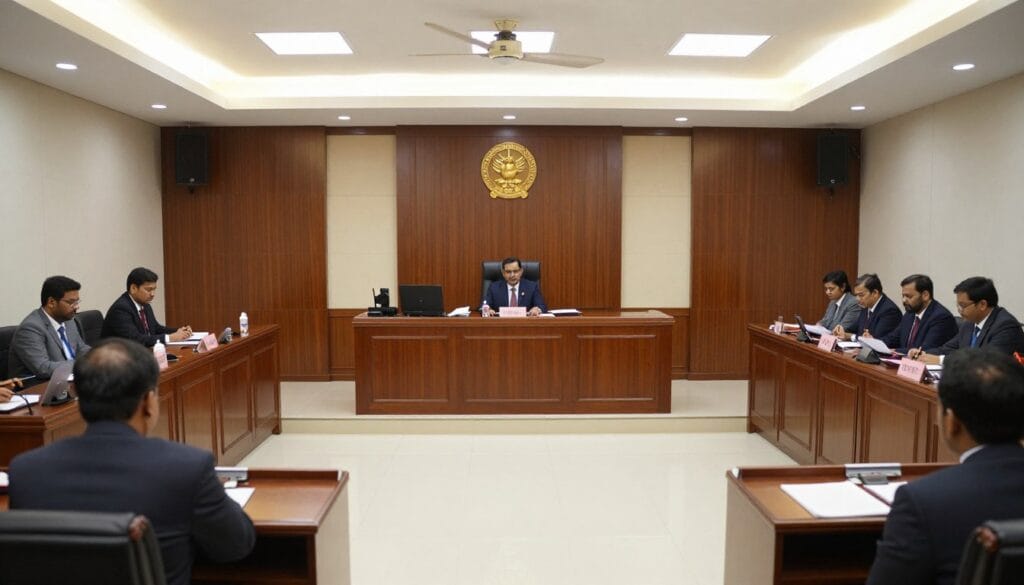
Court Jurisdiction for Filing
The petition must be filed in the appropriate family court. You can file where the marriage was solemnized. Alternatively, you can file where you last resided together. You can also file where the wife currently resides.
Delhi has several family courts handling divorce cases. These include courts at Patiala House, Tis Hazari, Saket, Rohini, and Dwarka. A family lawyer in Delhi can help identify the correct jurisdiction. Filing in the right court prevents unnecessary delays.
Important Note: Both parties must appear before the court personally during filing. No one can represent you through a power of attorney for the first petition. This requirement ensures genuine mutual consent from both spouses.
First Motion Petition
- Draft and file joint petition with lawyer
- Both spouses appear before the court
- Record statements under oath
- Court issues notice for next hearing
- Typically completed in one court visit
Cooling-Off Period
- Mandatory six-month waiting period begins
- Time for reconsideration and reconciliation
- Can be waived in exceptional circumstances
- No court appearances needed during this time
- Parties live separately during this period
Second Motion Petition
- File second petition after cooling-off period
- Both parties confirm mutual consent still exists
- Record final statements before judge
- Court reviews all settlement terms
- Decree granted if everything is in order